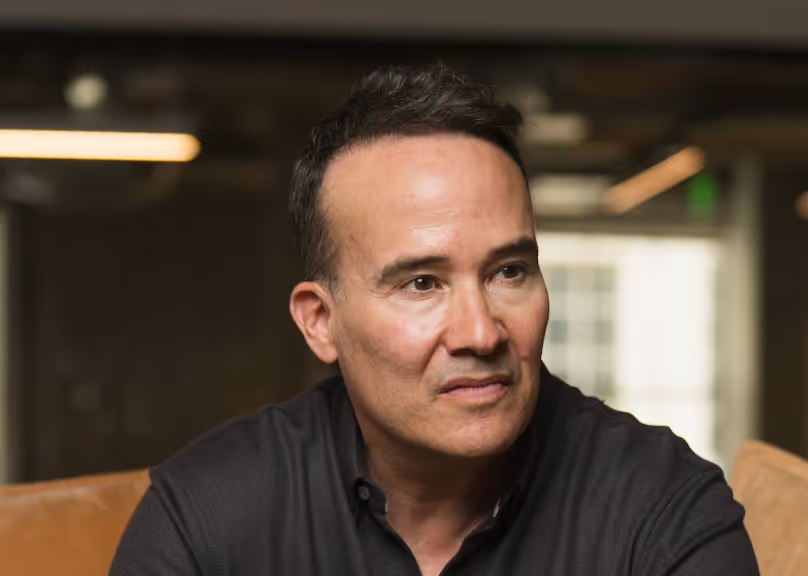
Interview With Founding General Partner Tom Chavez About Building Startups
Tom sharess the Habu $200M exit as a proof point, Fund II ($90M), San Francisco downtown HQ, and new General Partners in 2025 including Omar Tawakol & Peter Day.
The focus now: AI-native architecture (not bolt-ons), increased velocity, founder wellness, and solving real pains from insertion product → platform.
Read more on the Pulse 2.0 article
Tech, startups & the big picture
Subscribe for sharp takes on innovation, markets, and the forces shaping our future.
NEWS, BLOGS & ARTICLES
Let's keep in touch
We're heads down building & growing. Learn what's new and our latest updates.
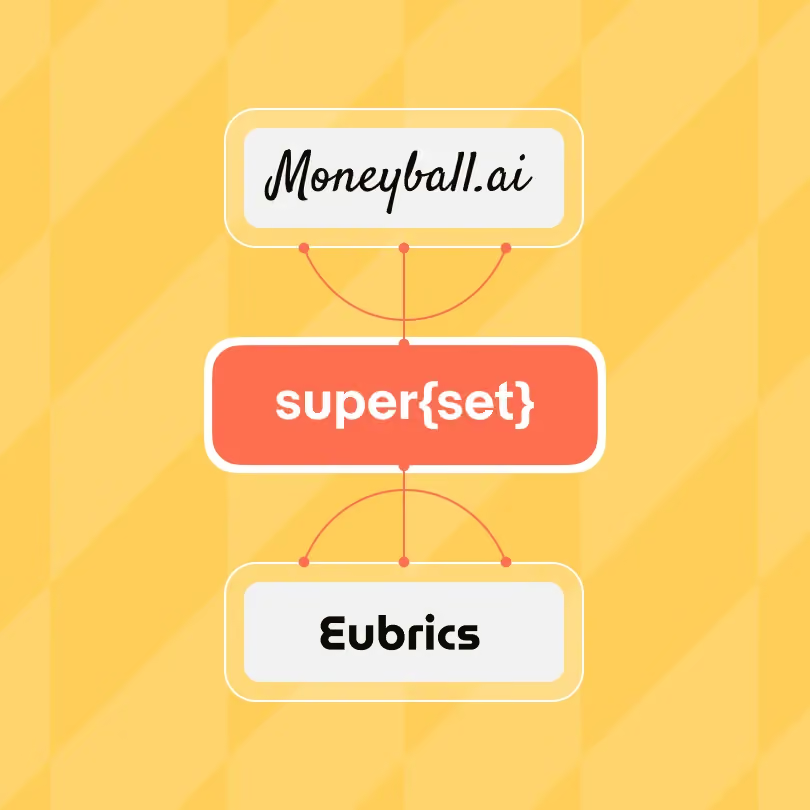
Moneyball.ai and Eubrics bring AI solutions to labor-intensive workflows in investment banking and workforce performance.
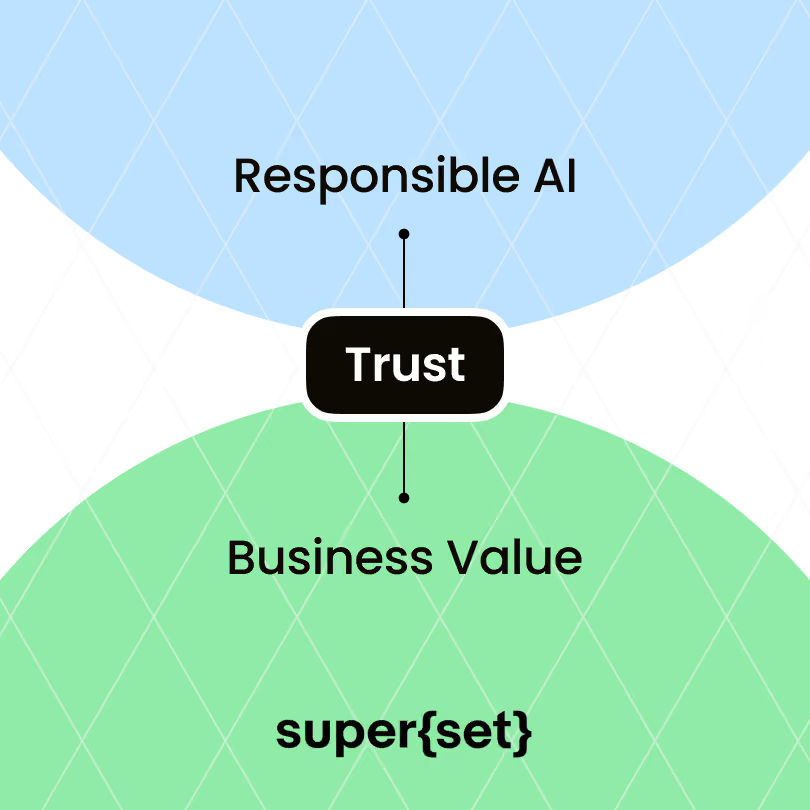
In a world filled with AI, trust is a distinct competitive advantage.
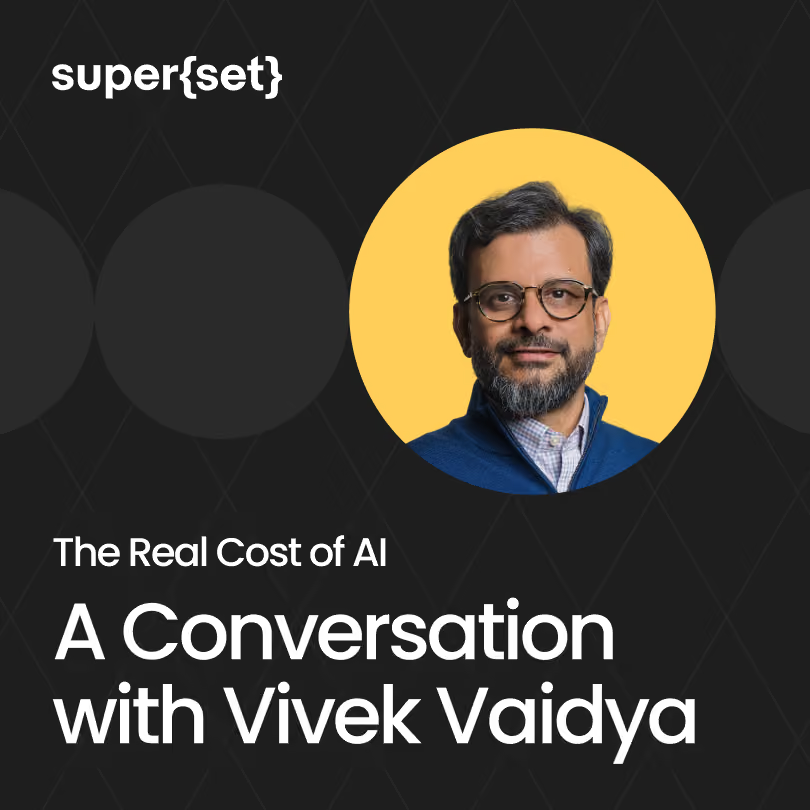
Vivek Vaidya of super{set} joins Nick to discuss AI Cost Structures and Pricing, Proprietary Data Sets That Create Moats, and a Clear Method for Determining Which Problem to Solve First.